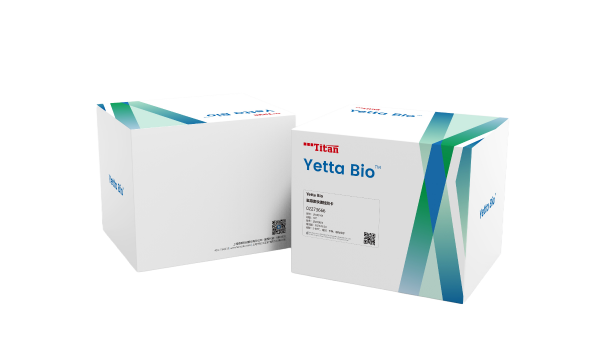
Phorate Rapid Test Strip
Rapid Test Reagents · Food Safety Rapid Testing
Colloidal Gold Strip · LOD0.01mg/kg · For fruits, vegetables & grains · 6 samples≤20 min
Spec
10T
SKU
LFG03301
LOD
0.01 mg/kg
GB 2763-2021
Method
Colloidal Gold
Sample Type
fruits, vegetables & grains
Test Time
6 samples≤20 min
Performance
Colloidal Gold · 6 samples≤20 min · For fruits, vegetables & grains · LOD0.01 mg/kg · Shelf Life: 12 months
Storage
Store at 2–30°C away from light
Shelf Life
12 months
Regulatory Basis
GB 2763-2021
KJ 201801
🔧Required Equipment & Consumables
🔬Equipment
(1) balance (resolution 0.0lg) , (2) Pipette Set (20-200µL, 100-1000µL) , (3) vortex mixer, (4) Colloidal Gold Analyzer (Optional) , (5) scissors
📦Consumables
15 mL Centrifuge Tube
📋Test Procedure Guide
1
📝 Before testing, samples should be restored to room temperature (20–30°C). Wipe off soil from fresh samples, then cut into pieces smaller than 1 cm in size. Weigh 2.00 ± 0.05 g of the sample into a 15 mL centrifuge tube, add 6 mL of extraction solution, cap the tube, vortex or manually shake vigorously for 1 min, and let stand for 1 min to obtain the test solution. Sample Category | Sample Name | Detection Limit (mg/kg) Fruits | Pear, Apple, Grape, Nectarine, Kiwifruit, Plum, Persimmon, Strawberry, Banana | 0.01 Vegetables | Cabbage, Cucumber, Chinese Cabbage, Pakchoi, Cowpea, Carrot, White Radish, Zucchini, Green Pepper, Green Bean, Chinese Chive, Romaine Lettuce, Spinach, Celery, Winter Melon, Leaf Lettuce, Cauliflower, Asparagus, Chinese Broccoli, Lotus Root, Eggplant, Taro, Tomato, Potato, Snow Pea, Choy Sum, Chinese Kale, Radish Leaf | 0.01 Note: The above table does not list all detectable samples. For samples not listed, please confirm applicability with our Technical Center. After sample preparation, spotting should be completed within 5 min. Sampling method refers to the "Administrative Measures for Food Safety Sampling Inspection" (Order No. 15 of the State Administration for Market Regulation, 2019), and national standard limits refer to GB 2763.
Before testing, samples should be returned to room temperature. Fruit samples (such as tomato, cucumber, etc.) need to be peeled and then homogenized. Weigh 2.00±0.05g sample into a 15mL polystyrene centrifuge tube, then add 3mL extraction solution, cap the tube, vortex using a vortex mixer or manually shake up and down for 1min, let stand for 1min, and obtain the test solution. Note: After sample pretreatment, sample loading should be completed within 5min.
2
🧪 Test Procedure
before the experiment, Before the experiment, please carefully read the instruction manual. Before use, allow the test card and the micro-well reagent to equilibrate to room temperature (20–30°C). Remove the test card from the original packaging bag, open it, and use immediately. After taking out the required micro-well reagents, immediately close the reagent bucket lid to prevent moisture absorption. Using a micropipette, add 100 µL of the test solution into the micro-well reagent, slowly aspirate (2–3 times) to mix thoroughly with the reagent in the micro-well. After incubation at room temperature (20–30°C) for 3 min, use a pipette to vertically add 100 µL of the mixed solution into the sample well (S well), or use the disposable dropper provided in the kit to slowly and vertically add 3 drops of the mixed solution into the sample well (S well). Begin timing when liquid starts to flow. Allow the reaction to proceed for 10 min. Immediately interpret the results according to the schematic diagram. Interpretation at other times is invalid.


 沪公网安备31011702890552号